

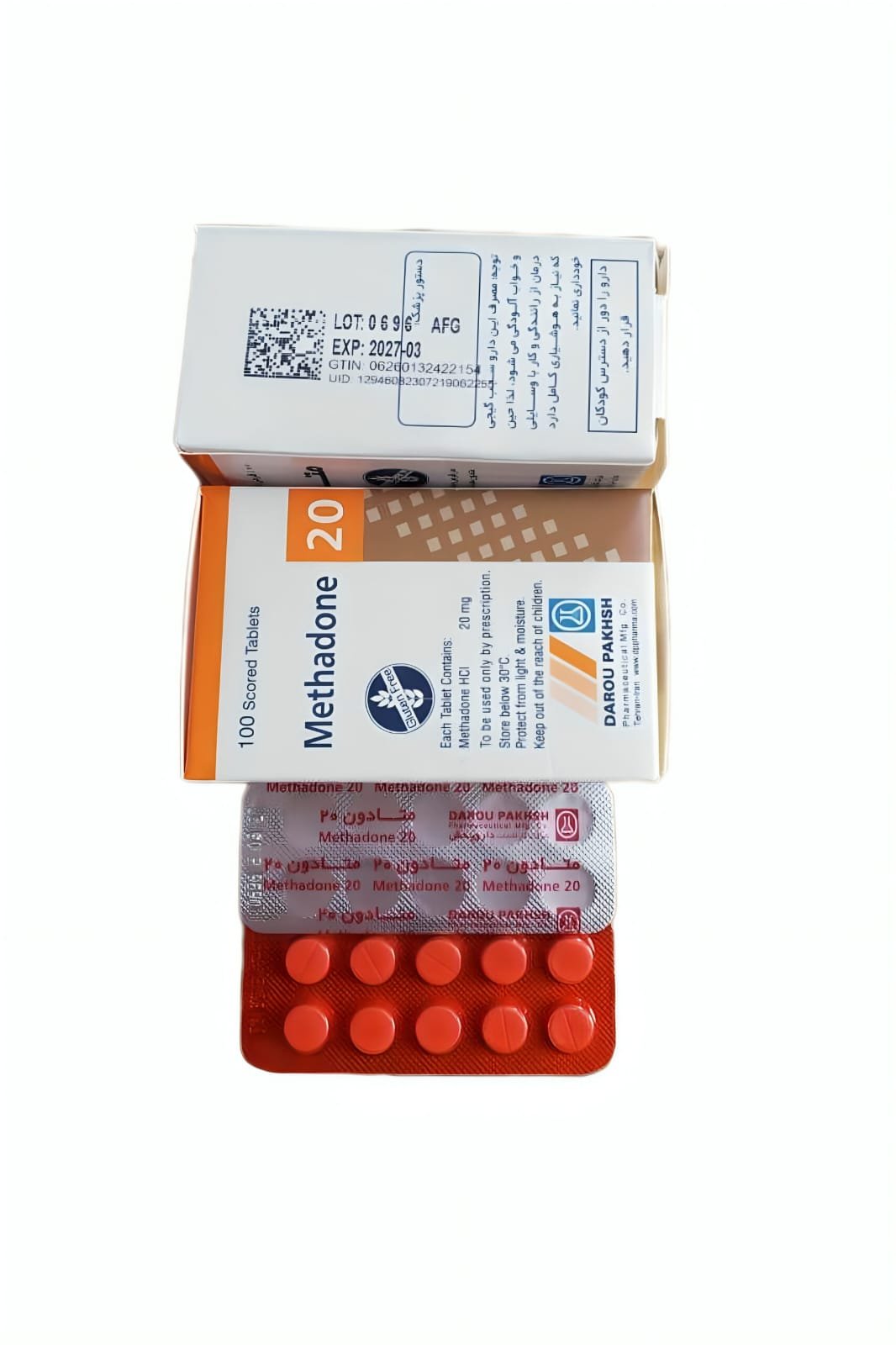

Methadone for Sale Online
Order Methadone for sale online from best meds. FDA-approved for opioid addiction and chronic pain management. Fast USA shipping & discreet delivery.
Introduction to Methadone Medications
Methadone is a long-acting synthetic opioid medication that has been used in medical practice for decades. It plays a critical role in opioid dependence treatment, chronic pain management, and medication-assisted treatment (MAT) programs worldwide. Despite its effectiveness and lifesaving potential, methadone is often misunderstood due to stigma surrounding opioid medications.
Unlike short-acting opioids, methadone works gradually and remains active in the body for an extended period. This makes it uniquely suited for stabilizing individuals with opioid use disorder while also being effective for managing severe, long-term pain under strict medical supervision.
This in-depth guide explains everything you need to know about methadone medications, including how they work, who they are for, dosage forms, safety considerations, side effects, treatment programs, and legal status.
What Is Methadone?
Methadone is a full opioid agonist that binds to the same opioid receptors in the brain as drugs like heroin, morphine, and prescription painkillers. However, it differs significantly in how it affects the body.
Methadone:
-
Has a slow onset of action
-
Produces long-lasting effects
-
Reduces cravings and withdrawal symptoms
-
Does not cause intense euphoria when used correctly
Because of these characteristics, methadone helps individuals regain stability without the extreme highs and lows associated with other opioids.
Medical Uses of Methadone
1. Opioid Use Disorder Treatment
Methadone is most widely known for its role in treating opioid addiction. It is a cornerstone of medication-assisted treatment programs.
Benefits include:
-
Suppression of withdrawal symptoms
-
Reduction in opioid cravings
-
Lower risk of relapse
-
Improved social and occupational functioning
-
Decreased risk of overdose and infectious disease transmission
Methadone allows patients to function normally while breaking the cycle of opioid misuse.
2. Chronic Pain Management
Methadone is also prescribed for moderate to severe chronic pain, particularly when other pain medications are ineffective.
Common conditions include:
-
Cancer-related pain
-
Neuropathic pain
-
Severe musculoskeletal disorders
-
Palliative and end-of-life care
Its long duration makes it suitable for round-the-clock pain control.
How Methadone Works in the Body
Methadone interacts with opioid receptors in the central nervous system. However, unlike fast-acting opioids, methadone:
-
Enters the bloodstream slowly
-
Builds up steadily
-
Maintains consistent receptor activation
This results in:
-
Stable symptom relief
-
Minimal intoxication effects
-
Reduced euphoric response
Methadone also affects NMDA receptors, which may contribute to its effectiveness in neuropathic pain and opioid tolerance reduction.
Forms and Dosage of Methadone Medications
Methadone is available in several pharmaceutical forms:
Common Methadone Dosage Forms
-
Oral liquid solution
-
Tablets
-
Dispersible tablets
-
Injectable form (hospital use)
Dosage varies depending on:
-
Medical condition
-
Patient tolerance
-
Treatment goals
-
Length of opioid use history
Typical Dosage Ranges
-
Opioid dependence: carefully titrated daily doses
-
Pain management: individualized lower or divided doses
Methadone dosing must always be managed by a qualified healthcare professional, as improper dosing can be dangerous.
Methadone Treatment Programs
Opioid Treatment Programs (OTPs)
For addiction treatment, methadone is dispensed through regulated opioid treatment programs.
Features include:
-
Supervised dosing
-
Counseling and behavioral therapy
-
Regular medical assessments
-
Gradual take-home privileges for stable patients
OTPs ensure safety, compliance, and long-term recovery support.
Integrated Medication-Assisted Treatment
Methadone is often combined with:
-
Cognitive behavioral therapy
-
Mental health support
-
Social rehabilitation services
This holistic approach improves treatment outcomes and reduces relapse rates.
Benefits of Methadone Medications
Methadone has proven benefits supported by decades of research.
Key Advantages
-
Reduces illicit opioid use
-
Decreases overdose deaths
-
Improves quality of life
-
Supports long-term recovery
-
Effective for severe pain control
-
Long half-life provides stable symptom relief
For many patients, methadone represents a second chance at health and stability.
Side Effects of Methadone
Like all medications, methadone may cause side effects.
Common Side Effects
-
Drowsiness
-
Constipation
-
Sweating
-
Nausea
-
Dry mouth
-
Dizziness
Less Common but Serious Effects
-
Respiratory depression
-
Heart rhythm changes
-
Low blood pressure
-
Confusion
-
Hormonal changes
Most side effects can be managed with medical oversight and dose adjustments.
Methadone Safety Considerations
Methadone requires careful monitoring due to its potency and long half-life.
Important Safety Guidelines
-
Never adjust dosage without medical approval
-
Avoid alcohol and sedatives unless prescribed
-
Attend all scheduled medical appointments
-
Store medication securely
-
Follow dosing schedules precisely
Methadone accumulates in the body, so missed or extra doses can be dangerous.
Methadone and Overdose Risk
While methadone is safe when used correctly, misuse increases overdose risk.
Risk factors include:
-
Combining methadone with benzodiazepines
-
Using illicit opioids concurrently
-
Incorrect dosing
-
Lack of medical supervision
Education and structured treatment programs significantly reduce these risks.
Methadone vs Other Opioid Treatment Medications
Methadone vs Buprenorphine
-
Methadone is a full opioid agonist
-
Buprenorphine is a partial agonist
-
Methadone is typically used for severe dependence
-
Buprenorphine has a ceiling effect
Methadone vs Naltrexone
-
Methadone manages withdrawal and cravings
-
Naltrexone blocks opioid effects
-
Methadone is suitable during early recovery
-
Naltrexone requires full detox first
Each medication has its place depending on patient needs.
Methadone and Long-Term Use
Long-term methadone treatment is supported by extensive clinical evidence.
Long-Term Benefits
-
Sustained recovery
-
Reduced criminal activity
-
Improved employment outcomes
-
Better physical and mental health
For some individuals, methadone may be a lifelong medication, similar to insulin for diabetes.
Stigma and Misconceptions About Methadone
Despite its success, methadone is often misunderstood.
Common Myths
-
“Methadone just replaces one addiction with another”
-
“Methadone gets people high”
-
“Methadone treatment means failure”
Reality
-
Methadone stabilizes brain chemistry
-
It allows normal functioning
-
It saves lives
-
It is evidence-based medicine
Education is essential to reducing stigma.
Legal Status of Methadone Medications
Methadone is a controlled prescription medication regulated by national and international laws.
Key points:
-
Prescription required
-
Dispensed through licensed programs
-
Strict monitoring protocols
-
Illegal possession without prescription is prohibited
Legal frameworks exist to ensure patient safety and prevent misuse.
Methadone and Mental Health
Methadone treatment often improves mental health outcomes.
Benefits include:
-
Reduced anxiety from withdrawal
-
Improved sleep
-
Better emotional stability
-
Increased engagement in therapy
Integrated mental health care is recommended for optimal results.
Methadone in Special Populations
Pregnant Individuals
Methadone is considered a standard treatment for opioid use disorder during pregnancy under medical supervision.
Older Adults
Lower doses and close monitoring are required due to slower metabolism.
Patients with Chronic Illness
Careful coordination with healthcare providers ensures safety.
Methadone Tapering and Discontinuation
Some patients eventually choose to taper off methadone.
Important considerations:
-
Tapering should be slow
-
Abrupt cessation is dangerous
-
Medical supervision is essential
-
Psychological support improves success
There is no universal timeline for tapering.
The Role of Methadone in Public Health
Methadone has a significant public health impact.
It contributes to:
-
Reduced overdose mortality
-
Lower healthcare costs
-
Decreased transmission of infectious diseases
-
Community stability
Public health agencies worldwide recognize methadone as an essential medicine.
Conclusion: Understanding Methadone Medications
Methadone medications are among the most effective tools available for treating opioid use disorder and managing severe chronic pain. When used appropriately under medical supervision, methadone saves lives, restores stability, and supports long-term recovery.
Understanding how methadone works, its benefits, risks, and legal framework is essential for patients, families, and healthcare providers. Education and evidence-based treatment—not stigma—should guide discussions around methadone.
With proper use, methadone is not a substitute for recovery—it is a foundation for it.
>>
| Quantity | 10mg, 20mg |
|---|
Be the first to review “Methadone for Sale Online | FDA-Approved Opioid Treatment & Pain Relief”
Related products

drugs addiction treatment
Reviews
There are no reviews yet.